In today’s world, sustainable practices are at the forefront of energy discussions. However, terms like renewable energy and recyclable energy are often used interchangeably, leading to confusion. This article dives deep into the differences between renewable and recyclable energy to clarify their meanings, applications, and environmental impacts. Additionally, we will explore related concepts such as sustainable energy meaning and renewable materials examples to provide a holistic view.
Contents
- 1 What is Renewable Energy?
- 2 What is Recyclable Energy?
- 3 Differences Between Renewable and Recyclable Energy
- 4 How Does Sustainability Fit In?
- 5 Is Glass a Renewable Resource?
- 6 Benefits of Integrating Renewable and Recyclable Energy
- 7 Challenges in Implementation
- 8 Top Takeaways for Renewable and Recyclable Energy Success
What is Renewable Energy?
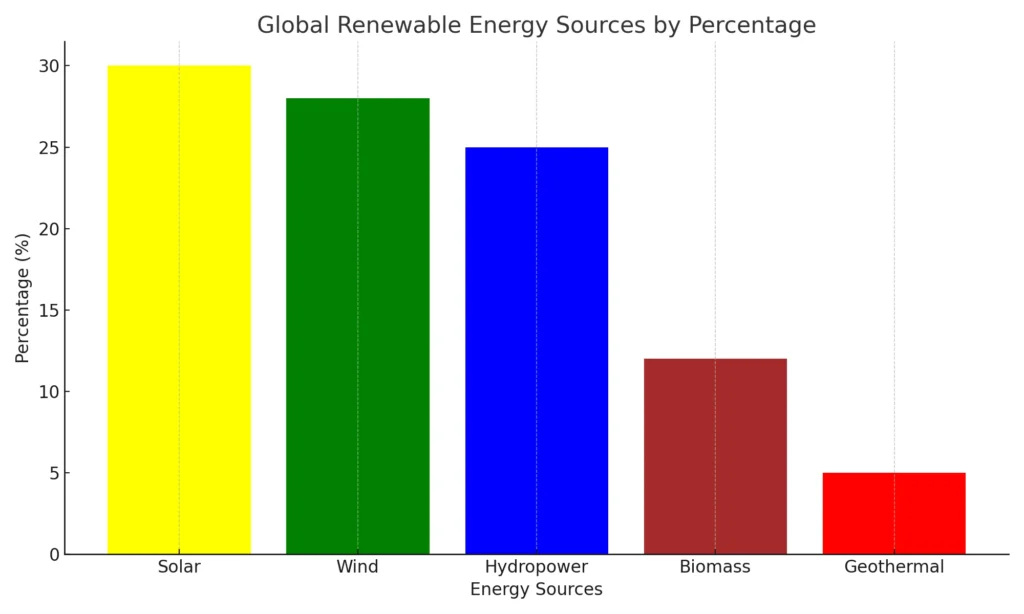
Renewable energy refers to energy derived from natural resources that can replenish themselves over time. Examples include sunlight, wind, water, and geothermal heat. These resources are sustainable because they are naturally replenished and do not deplete with use.
Features of Renewable Energy:
- Continuously replenished by natural processes.
- Includes sources like solar, wind, hydro, and geothermal energy.
- Promotes reduced greenhouse gas emissions and supports sustainability.
Examples of Renewable Energy:
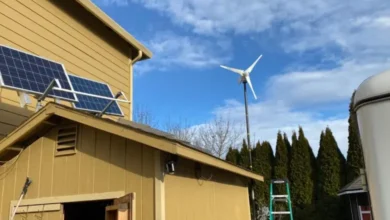
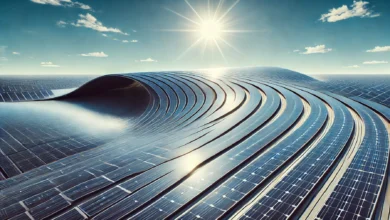
- Solar Power: Harnesses sunlight using photovoltaic cells.
- Wind Energy: Converts wind motion into electricity through turbines.
- Hydropower: Uses moving water to generate energy.
- Geothermal Energy: Taps heat from beneath the Earth’s surface.
What is Recyclable Energy?
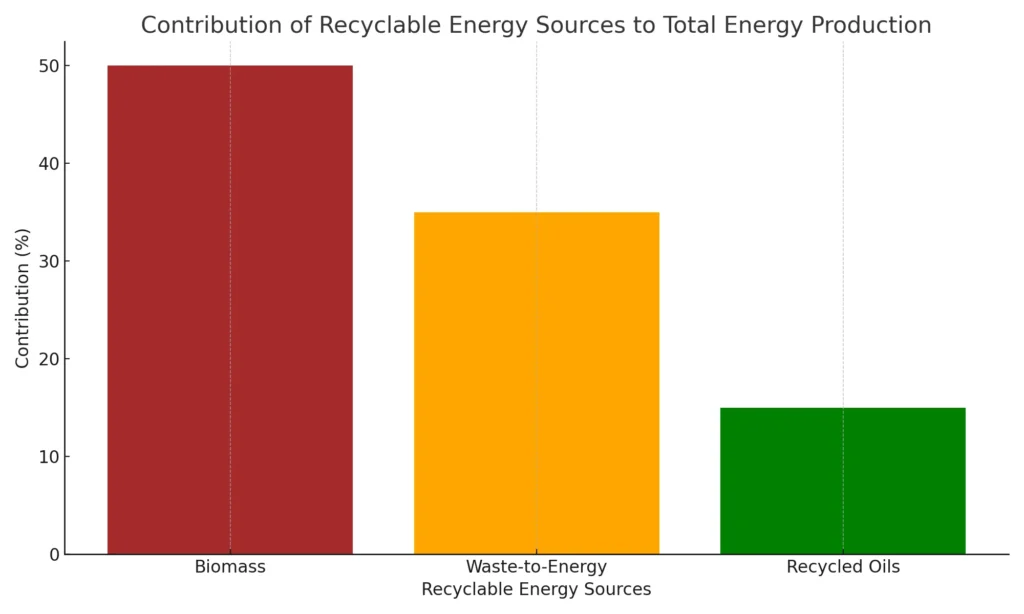
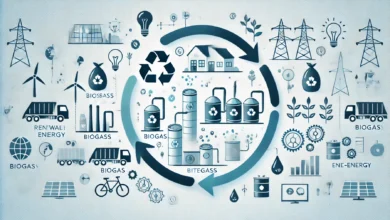
Recyclable energy focuses on reusing materials to produce energy, reducing waste and conserving resources. Unlike renewable energy, which relies on continuous replenishment, recyclable energy emphasizes reuse and recycling processes.
Features of Recyclable Energy:
- Depends on recycling waste materials and resources.
- Includes processes like waste-to-energy and biomass conversion.
- Reduces landfill dependency and promotes circular economies.
Examples of Recyclable Energy Sources:
- Biomass Energy: Converts organic waste into biofuels.
- Waste-to-Energy Plants: Burns waste to generate electricity and heat.
- Recycled Oils: Processes used oils to produce biofuels.
Differences Between Renewable and Recyclable Energy
1. Source of Energy
- Renewable Energy: Derived from naturally replenishing resources like sunlight and wind.
- Recyclable Energy: Depends on reprocessing and reusing materials such as organic waste.
2. Sustainability
- Renewable Energy: Often considered more sustainable because resources do not deplete.
- Recyclable Energy: Promotes sustainability through waste reduction but may depend on finite resources.
3. Environmental Impact
- Renewable Energy: Produces little to no emissions during generation.
- Recyclable Energy: Reduces landfill waste but may produce some emissions during processing.
4. Availability
- Renewable Energy: Readily available in nature and often location-dependent.
- Recyclable Energy: Requires collection and processing infrastructure for materials.
How Does Sustainability Fit In?
Sustainability combines the principles of renewable energy and recyclable energy to create long-term solutions for environmental preservation. Understanding the difference between renewable and sustainable energy helps identify strategies for greener technologies.
What is a Sustainable Energy Source?
A sustainable energy source provides consistent power without depleting resources or harming the environment. Sustainable renewable resources include:
- Wind and solar energy for unlimited power generation.
- Biomass and waste recycling for energy recovery.
Is Glass a Renewable Resource?
Many people ask, “Is glass a renewable resource?” While glass is made from natural materials like sand, it is not renewable because sand is a finite resource. However, glass is recyclable, making it an excellent example of resource conservation.
Renewable Materials Examples:
- Wood: Harvested from forests with proper replanting programs.
- Bamboo: Fast-growing and widely used in sustainable construction.
- Paper: Renewable if sourced from sustainably managed forests.
Benefits of Integrating Renewable and Recyclable Energy
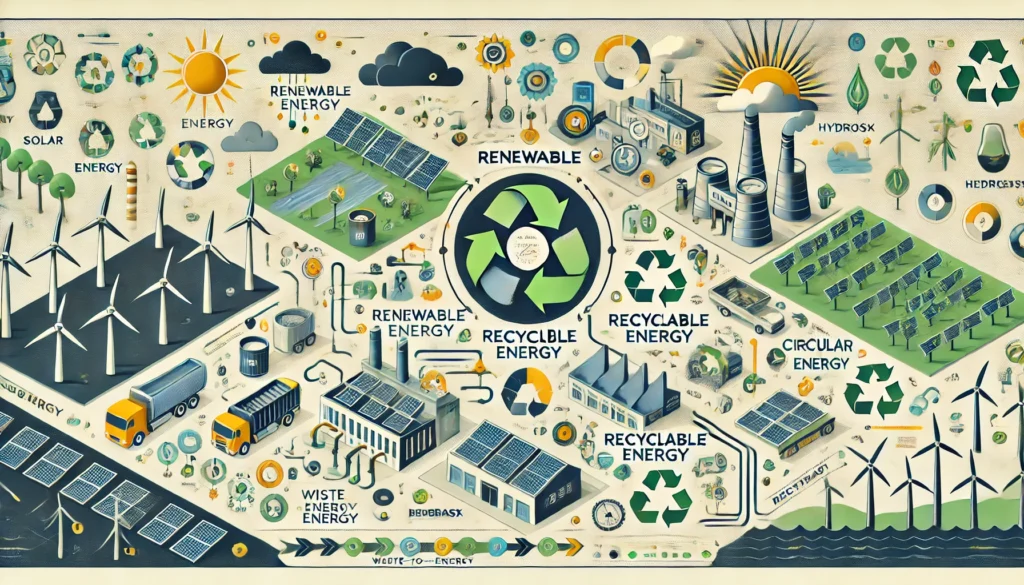
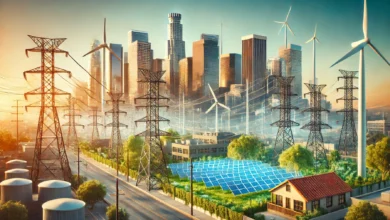
Combining renewable energy and sustainable energy practices with recycling technologies offers the best approach to combating climate change and resource scarcity. Hybrid systems utilize the strengths of both energy types.
Challenges in Implementation
1. High Initial Costs:
Both renewable energy and recyclable energy require significant investments in infrastructure and technology.
2. Technological Advancements:
Further innovation is needed to improve efficiency and affordability.
3. Policy and Regulation:
Governments must provide incentives and clear policies to promote adoption.
Top Takeaways for Renewable and Recyclable Energy Success
- Renewable energy comes from naturally replenishing resources, while recyclable energy focuses on reusing materials to generate power.
- Both energy types contribute to sustainability, but they differ in terms of source, impact, and scalability.
- Understanding the difference between renewable and sustainable energy is crucial for building a greener future.
Ready to adopt sustainable practices? Evaluate renewable materials examples and consider integrating sustainable renewable resources into your energy strategy. The future is green—let’s take the first step today!