An energy chain refers to the sequence of steps through which energy is transferred and transformed from its source to its final use. In the case of solar energy, the process starts with the sun and ends with the consumption of electricity in homes, businesses, or industrial applications. This chain includes energy conversion, storage, and transmission stages that are crucial for making solar power usable and efficient.
The energy chain for a solar panel begins when sunlight hits the surface of a photovoltaic cell. From there, photons are converted into electrical energy, which is either used immediately or stored for later use. Each link in this chain plays a vital role in ensuring sustainable and reliable energy flow.
Contents
- 1 What is a Solar Chain?
- 2 Energy Chain Diagram and Examples
- 3 What is the Blockchain for Solar Energy?
- 4 Can You Chain Solar Panels?
- 5 Energy Chain Science: The Physics Behind Solar Conversion
- 6 What is the Value Chain of Solar Energy?
- 7 How Much Energy is Required to Manufacture a Solar Panel?
- 8 Energy Chain Activity: Learning Through Practice
- 9 Energy Chain for Photosynthesis vs Solar Energy
- 10 Innovations and the Future of Energy Chains
- 11 Exploring the Broader Impact of Solar Energy Chains
What is a Solar Chain?
A solar chain is a specific type of energy chain that focuses solely on how solar energy is captured, converted, stored, and distributed. It includes components like solar panels, inverters, charge controllers, batteries, and end-user applications. The goal of a solar chain is to streamline the transition from raw sunlight to usable electricity with minimal loss and maximum efficiency.
In simpler terms, the solar chain maps the entire journey of solar energy from the sun to your electric appliances.
Energy Chain Diagram and Examples

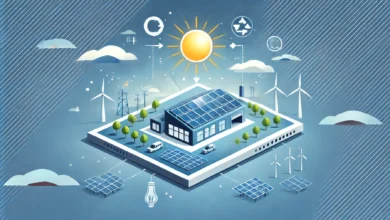
Visualizing how energy flows through a system can make the concept easier to understand. An energy chain diagram for a solar panel might include:
- Sunlight (input energy)
- Solar panel (conversion device)
- Inverter (DC to AC conversion)
- Battery (storage)
- Electrical grid or end-user device (output)
Some energy chain examples relevant to solar power include:
- Sun → Solar Panel → Battery → LED Light
- Sun → Solar Panel → Inverter → Home Appliance
- Sun → Solar Panel → Grid-Tied System → Community Grid
These energy chains help us understand how various components work together to ensure clean energy reaches users efficiently.
What is the Blockchain for Solar Energy?
Blockchain technology in solar energy is used to create decentralized energy networks. Through blockchain, households with solar panels can sell excess electricity to others in the network, creating a peer-to-peer energy marketplace. This model improves transparency, efficiency, and trust.
The blockchain for solar energy allows for:
- Secure tracking of energy generation and usage
- Smart contracts for energy transactions
- Reduction of dependency on centralized utilities
It’s especially promising in developing regions and smart cities, where energy democratization can empower communities.
Can You Chain Solar Panels?
Yes, you can! Chaining solar panels—also called “series or parallel connection”—is a common method for optimizing energy output. In a series configuration, the voltage of each panel adds up. In parallel, the current increases while voltage remains the same.
Chaining solar panels is essential for:
- Increasing the system’s total power capacity
- Achieving the right voltage for specific applications
- Improving flexibility in solar system design
However, careful planning is necessary to ensure efficiency and avoid imbalances in energy flow.
Energy Chain Science: The Physics Behind Solar Conversion
In terms of energy chain science, the conversion of solar energy into electricity is governed by the photovoltaic effect. When sunlight hits the semiconductor layer in a solar cell, it excites electrons, generating a flow of electricity.
This process involves several physical principles:
- Photon absorption
- Electron excitation
- Current flow in a closed circuit
These steps form a fundamental part of the energy chain in solar technology and demonstrate how natural energy is converted into a usable form.
What is the Value Chain of Solar Energy?
The value chain of solar energy includes all the stages from raw material extraction to the final installation and maintenance of solar systems. It covers:
- Raw materials (silicon, glass, metals)
- Manufacturing of solar cells and modules
- System integration (inverters, batteries, etc.)
- Installation and maintenance
- Energy distribution and usage
Understanding this chain helps stakeholders optimize each stage for better performance and cost-effectiveness.
How Much Energy is Required to Manufacture a Solar Panel?

The energy payback time (EPBT) of a solar panel refers to how long it takes to generate the same amount of energy that was used to produce it. On average, manufacturing a panel requires:
- 200 to 300 kWh of energy for standard silicon panels
- Less for newer thin-film technology
Most modern solar panels pay back their energy cost in 1 to 3 years, depending on the technology and location, making them a net-positive energy source over their lifespan of 25+ years.
Energy Chain Activity: Learning Through Practice
An energy chain activity is often used in education to help students understand how energy transforms and flows through different systems. For example:
- Building a mini solar car to demonstrate solar-to-mechanical energy conversion
- Creating diagrams of real-world energy chains
- Comparing energy chain for photosynthesis vs solar energy systems
Such activities enhance scientific thinking and sustainability awareness.
Energy Chain for Photosynthesis vs Solar Energy
While both involve converting sunlight into usable energy, the mechanisms differ:
- Photosynthesis: Converts light energy into chemical energy (glucose) in plants
- Solar panels: Convert light energy into electrical energy
Despite the difference, both are vital energy chain examples that highlight nature’s and technology’s ability to harness the sun’s power efficiently.
Innovations and the Future of Energy Chains
As solar technology advances, so does the complexity and efficiency of energy chains. Future developments include:
- AI-optimized energy routing
- Transparent solar panels
- Wearable solar devices
- Integrating solar energy into urban infrastructure
By refining every link in the energy chain for a solar panel, we move closer to a decentralized, clean energy future.
Exploring the Broader Impact of Solar Energy Chains

While the energy chain of a solar panel focuses primarily on the technical flow of energy, its implications go far beyond efficiency and conversion. In addition to providing clean power, the structure of an energy chain directly influences the scalability, accessibility, and sustainability of solar energy as a global solution.
For example, the design of a solar energy chain affects how easily renewable systems can be integrated into urban infrastructure. Furthermore, energy chains that include efficient storage and smart distribution contribute to the growth of decentralized energy systems. This means that communities, even in remote areas, can gain energy independence without relying on large fossil-fuel grids.
Meanwhile, innovation in materials—such as perovskite solar cells—can enhance the flexibility of energy chains and reduce overall costs. These advancements make solar energy more adaptable to diverse environments, whether it’s rural housing or high-tech buildings.
In contrast to traditional energy models, solar energy chains also encourage a more transparent and participatory energy economy. With technologies like blockchain, every unit of energy can be tracked, traded, or stored with greater accountability.
To sum up, understanding and optimizing the energy chain for solar panels is not just about better performance—it’s about shaping the future of global energy systems. The more efficient and accessible these chains become, the more solar energy will lead the charge in the renewable revolution.