Energy consortium refers to a formal partnership between multiple organizations that work together on shared energy goals. It might sound like a buzzword, but these collaborations are quietly shaping how the world uses, produces, and saves energy. They’re the engine behind clean energy expansion, smart grid development, and energy efficiency standards that affect millions.
But what exactly is an energy consortium? Why are they forming faster than ever? And how do they impact everyday energy users like homeowners, businesses, and even cities?
Let’s break it all down—simply and clearly.
Contents
- 1 What Is an Energy Consortium?
- 2 How Energy Consortiums Work
- 3 Why Are Energy Consortiums on the Rise?
- 4 Types of Energy Consortiums (With Examples)
- 5 How Consumers Benefit from Energy Consortiums
- 6 Real-World Consortiums Making an Impact
- 7 Common Challenges Faced by Energy Consortiums
- 8 What Makes a Good Energy Consortium?
- 9 The Future of Energy Consortiums
- 10 Frequently Asked Questions (FAQ)
- 11 They’re Already Shaping the Future
What Is an Energy Consortium?
An energy consortium is a multi-stakeholder alliance created to address specific energy challenges. These challenges can range from modernizing power grids to advancing solar energy research or setting efficiency standards for appliances.
These consortiums often include:
- Utility companies
- Government agencies
- Private energy firms
- Academic institutions
- Nonprofits or NGOs
Each partner brings something to the table—funding, expertise, research capability, or influence. Together, they can achieve what none of them could accomplish alone.
Think of it like this: energy problems are too big and too complex to solve in silos. That’s where consortiums step in.
How Energy Consortiums Work

Energy consortiums are usually structured as nonprofit or cooperative organizations. Most have clear governance, joint funding models, and a roadmap of deliverables.
They might:
- Launch pilot programs for clean energy infrastructure
- Set energy efficiency benchmarks used in government rebates
- Coordinate R&D for emerging technologies
- Share data and research findings across industries
- Advise policymakers on best practices and regulation
Some consortiums operate regionally, while others span continents.
Why Are Energy Consortiums on the Rise?

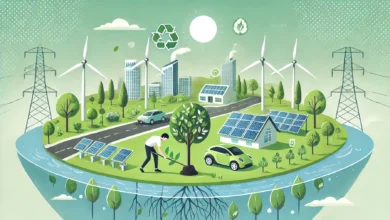
The clean energy transition is moving faster than ever, but it’s also more expensive and technically complex than most people realize. Imagine standing on a hill at night, looking down at a city powered entirely by clean energy—no noise, no smog, just silent, efficient power. That’s the future many energy consortiums are quietly building.
Here’s why consortiums are exploding in popularity:
1. Climate Deadlines Are Looming
Countries, cities, and corporations all face aggressive carbon-reduction targets. An energy consortium allows them to align efforts and spread the cost.
2. Grid Modernization Is Urgent
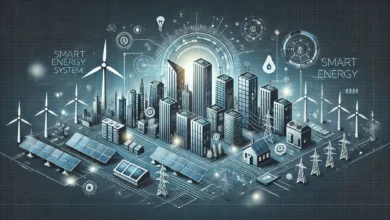
Outdated infrastructure can’t handle today’s energy needs. Consortiums are fast-tracking smart grid technologies that can balance renewable sources and prevent outages.
3. Tech Innovation Is Too Expensive to Go Solo
From battery storage to hydrogen fuel systems, the R&D costs are massive. Consortiums let members co-invest in innovation.
By 2025, global clean energy investments are expected to surpass $2.3 trillion, with consortium-led projects playing a major role in this unprecedented growth.
4. Energy Policy Is Fragmented
Each country—and often each state—has its own regulations. An energy consortium helps unify these fragmented approaches.
Types of Energy Consortiums (With Examples)
Let’s look at the five most common types of consortiums in energy—and what they actually do:
| Type of Energy Consortium | Main Goal | Key Participants | Example |
|---|---|---|---|
| Renewable Energy | Expand solar, wind, etc. | Governments, utilities | EU Clean Hydrogen Alliance |
| Energy Efficiency | Set product standards | NGOs, manufacturers | CEE |
| Grid Modernization | Upgrade infrastructure | Tech firms, grid operators | GridWise Alliance |
| Research & Innovation | Test clean tech | Universities, labs | CESMII |
| Policy & Standards | Shape regulations | Think tanks, advisors | ESIG |
1. Renewable Energy Consortiums
These push for expansion of solar, wind, geothermal, and other sustainable technologies.
Example:
The European Clean Hydrogen Alliance brings together 1,500+ stakeholders across EU member states to build a hydrogen economy.
2. Energy Efficiency Consortiums
These set voluntary standards for products and systems.
Example:
The Consortium for Energy Efficiency (CEE) helps define appliance performance tiers used in rebate programs across the U.S. and Canada.
3. Grid Modernization Groups
Focused on grid resilience, demand response, and digital controls.
Example:
The GridWise Alliance promotes public-private collaboration to modernize America’s electric grid.
4. Academic Research Consortiums
Universities and labs partner with governments and industry to test clean tech.
Example:
The U.S. Department of Energy funds Clean Energy Manufacturing Institutes that work with researchers to improve factory energy use.
5. Policy and Standardization Groups
They focus on regulation, market transformation, and benchmarking.
Example:
The Energy Systems Integration Group (ESIG) works globally to set grid operation best practices.
How Consumers Benefit from Energy Consortiums
It’s easy to think these groups are distant or abstract—but they’re not.
Here’s how a well-functioning energy consortium might impact you directly:
- Lower energy bills: Thanks to consortium-led product standards and rebates.
- Rebate eligibility: Products that meet CEE Tier 2 or Tier 3 standards often qualify for tax credits.
- Fewer power outages: Grid upgrades led by consortiums can make energy delivery more stable.
- Cleaner air and water: These alliances push for emissions reduction at a systemic level.
- Better product labeling: Programs like ENERGY STAR often align with consortium standards.
Bottom line? If you’ve bought an efficient air conditioner or received a utility rebate, you’ve likely benefited from the work of an energy consortium—whether you knew it or not.
Real-World Consortiums Making an Impact
Let’s highlight some notable energy consortiums driving innovation:
| Consortium Name | Focus Area | Region |
|---|---|---|
| CEE (Consortium for Energy Efficiency) | Appliance standards, efficiency tiers | U.S. & Canada |
| National Offshore Wind R&D Consortium | Offshore wind energy | United States |
| RE-Source Platform | Corporate renewable energy sourcing | Europe |
| CESMII | Smart manufacturing energy optimization | U.S. |
| Energy Systems Integration Group (ESIG) | Grid operation best practices | Global |
These aren’t just think tanks—they fund projects, influence policy, and help shape markets.
Common Challenges Faced by Energy Consortiums
Of course, no system is perfect. These alliances face real-world hurdles:
- Coordination complexity: With multiple stakeholders, consensus is hard.
- Unequal funding: Some members carry more financial weight than others.
- Intellectual property disputes: Who owns the innovation?
- Policy restrictions: Red tape can delay large-scale implementation.
Despite this, most consortiums agree that collaboration still beats going it alone.
What Makes a Good Energy Consortium?
Not all consortiums are equal. Look for the following signs of a credible and effective one:
Transparent governance
Public list of members and goals
Active projects or publications
Government, utility, or academic partners
Independent funding and review
If it looks like a PR stunt and acts like one, it probably is.
The Future of Energy Consortiums
As global energy systems become more interconnected, consortiums will evolve too.
Expect to see:
- Cross-border collaboration in renewables and green hydrogen
- Closer links to transportation and water sectors
- Blockchain use in energy data and trading
- Smart cities built on consortium-led frameworks
- Consumer involvement via apps and open-data portals
These alliances aren’t just the future—they’re already shaping it.
Frequently Asked Questions (FAQ)
It’s a group of organizations that work together to solve energy-related problems, like building wind farms or creating energy-saving programs.
Through member contributions, government grants, and sometimes philanthropic or climate finance support.
Usually not directly—but they can benefit through rebates, efficient products, or utility programs.
No. Trade groups lobby for industry interests. Consortiums usually collaborate on technical, regulatory, or infrastructure goals.
Look for certifications like ENERGY STAR or CEE Tier labels. These often come from or are aligned with consortium guidelines.
Energy communities are local groups that produce, manage, and share energy—usually from renewable sources.
They help people generate solar or wind power together and reduce reliance on big utilities.
There is no single UN agency for energy.
However, UN-Energy is the official platform that brings together many UN organizations working on energy-related goals.
The United Nations Development Programme (UNDP) is considered the largest UN agency by operational scale.
It also plays a role in clean energy and sustainability programs.
SDG 7 aims to ensure access to affordable, reliable, and clean energy for all.
It’s key to fighting climate change, reducing poverty, and supporting global development.
They’re Already Shaping the Future
The energy consortium model is a quiet powerhouse in the world of energy reform. It’s not flashy. It doesn’t always make headlines. But without it, the progress we’ve seen in renewables, grid modernization, and efficiency might not exist.
In a world that demands urgency, complexity, and collaboration—energy consortiums check all the boxes. Whether you’re a homeowner, policymaker, or utility provider, their impact touches your life more than you might realize.