Exploiting the heat of the Earth has long been one of humanity’s most potent (but least known) energy levers. Geothermal energy is a source of energy that is reliable, sustainable, and renewable, and could play an important role in shifting the world away from fossil fuels.
In this guide, we will cover the definition of geothermal energy, how it works, examples of geothermal energy in action, advantages, disadvantages, and the future of geothermal energy as a global energy transition strategy.
Contents
What is Geothermal Energy?
Geothermal energy is simply the heat energy found within the Earth under the surface. It is the result of a variety of formation processes that the Earth has gone through and the naturally occurring decay of radioactive products, for example, uranium. Heat energy is in the form of liquid water, steam, or stored at depth underground in hot rocks, where there are reservoirs of geothermal water.
Humans access this heat energy by drilling wells into reservoirs of geothermal water, capture the heat, and convert it to a usable form of energy, for example, electrical energy (in the case of geothermal power plants), or directly to heat buildings.
Geothermal energy is one of the more reliable and continuous renewable resources as it is not dependent on climate or weather variability. For comparison, unlike solar or wind energy, geothermal sources are unaffected by clouds or lack of wind; geothermal systems are among the most constant renewable energy sources.
If you are at all interested in the technical side of how geothermal energy works, please see: How Do Geothermal Power Plants Work?
How Does It Work?
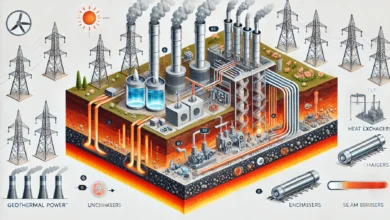
Geothermal systems leverage underground reservoirs containing steam or hot water. Here’s a straightforward breakdown:
- Wells are drilled to underground reservoirs to access the hot water or steam.
- The steam rises and spins a turbine, generating electricity from the generator. Hot water may also be used directly (without converting to electricity) for space heating.
Geothermal electric power plants can come in three main types:
- Dry steam plants: which take steam directly from underground to turn turbines.
- Flash steam plants: where deep hot water is brought to the surface by use of two pressure tanks creating a flash of steam.
- Binary cycle plants: which pull heat from the geothermal source and transfer it to another liquid that has a lower boiling point to create vapor and turn turbines.
Case Studies
- The Geysers (California USA) – who provides geothermal electricity to over 700,000 homes.
- Hellisheði Power Station (Iceland) – supply clean energy to Reykjavik and neighboring communities.
- Nesjavellir Geothermal Plant (Iceland) – gives clean hot water and electricity to residences.
- Krafla Power Station (Iceland) – is situated close to volcanic regions – shows the interaction of geology and energy generation and power.
Pros
- Renewable – Sustainable energy use by the Earth’s core heat for billions of years.
- Stable production 24/7 – Unaffected by weather, daytime, as it works all the time.
- Minimal impact – greenhouse gas emissions are very low when compared to fossil fuels.
- Relatively small land use – less space on the ground than what solar farms or wind turbines use.
Would you like to know more about the pros and cons of geothermal energy? Check out: Geothermal Energy Pros and Cons.
Cons
- High initial costs to develop the wells (drain and construction).
- Geothermal reservoirs are geographically based and not everywhere exists to develop.
- The chance of reservoir cooling – improper management will result in inefficiencies over time.
- Induced Seismicity – Slight tectonic movement from enhanced geothermal systems.
Uses
- Electricity generation – geothermal power plants supply energy to the national grids.
- District heating – cities are able to utilize underground heat to heat homes and businesses.
- Direct use – growing crops, heating aquaculture, direct use in industrial processes.
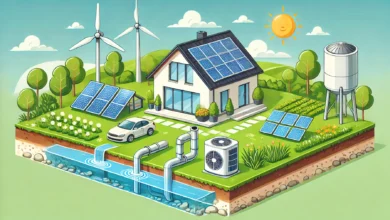
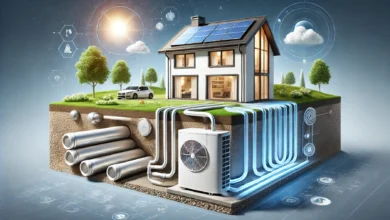
- Ground-Source Heat Pumps – are a very efficient heat pump to heat and cool residential homes.
Future Directions
- Enhanced Geothermal Systems (EGS) – Develop potential where none naturally exist, creating geothermal wells.
- Hybrid system – geothermal working with solar and wind energy into one resource providing reliable energy.
- Micro-geothermal networks – operates as a decentralised distribution network for small towns and facilities.
Frequently Asked Question (FAQ’s)
What is the definition of geothermal energy?
It’s the heat that comes from beneath the surface of the Earth, to use for electric generation and heating.
How deep are geothermal wells?
On average, geothermal wells are about 1 to 2 miles deep based on the location and surface access to the underground heat reservoir.
Is geothermal energy truly renewable?
Yes. There are over a billion years of potential in the Earth where you can manage resources properly to use sustainably.
Where is geothermal energy being utilized?
Iceland, US, Philippines and New Zealand are great utilizers of the resource.
Can homeowners utilize geothermal energy?
Definitely. Houses can have access to geothermal energy through a ground-source heat pump for sustainable heating and cooling.