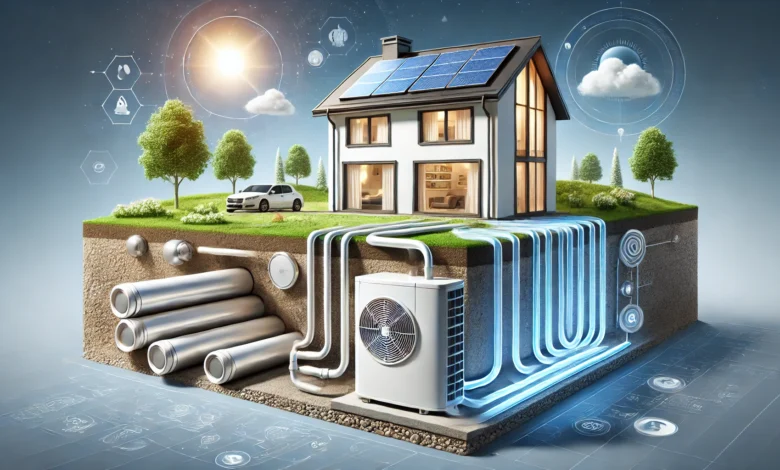
Geothermal systems for homes utilize the Earth’s natural heat to provide heating and cooling through ground source heat pumps. These systems, also known as residential geothermal heating and cooling solutions, harness stable underground temperatures to regulate indoor climates efficiently.
Unlike traditional HVAC systems, geothermal home systems are eco-friendly, highly efficient, and capable of significantly reducing energy bills. They are ideal for homeowners seeking sustainable alternatives for climate control.
Contents
- 1 How Does a Geothermal Heat System Work?
- 2 Types of Geothermal Systems for Homes
- 3 Benefits of Geothermal Home Systems
- 4 Costs and Investment for Geothermal HVAC Systems
- 5 Applications of Geothermal Systems in Homes
- 6 Challenges and Limitations
- 7 Future of Geothermal Energy for Homes
- 8 Is Geothermal Right for Your Home?
How Does a Geothermal Heat System Work?
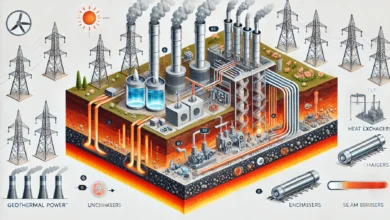
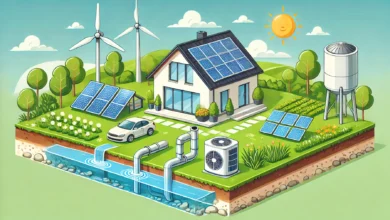
A geothermal heat system operates by transferring heat between the Earth and your home using a ground source heat pump geothermal setup. Here’s how the process works:
- Heat Absorption: Pipes buried underground (called ground loops) circulate a fluid that absorbs heat from the Earth during winter or releases it in summer.
- Heat Exchange: The collected heat or coolness is transferred to a geothermal unit installed inside your home.
- Distribution: The unit circulates air through ducts, providing consistent heating and cooling throughout the house.
- Return Process: The fluid is recirculated back underground, repeating the cycle.
This process provides geothermal heating and cooling residential solutions with low energy consumption and high efficiency.
Types of Geothermal Systems for Homes
1. Closed-Loop Systems
These systems circulate fluid through a continuous loop of pipes buried in the ground or submerged in water. They are divided into:
- Horizontal Loops: Ideal for larger plots with shallow trenches.
- Vertical Loops: Suitable for smaller areas with deep wells.
- Pond/Lake Loops: Uses nearby water bodies for heat exchange.
2. Open-Loop Systems
These systems draw water directly from underground wells, making them cost-effective in areas with abundant groundwater resources.
3. Hybrid Systems
Combining geothermal cooling heating with traditional HVAC systems, hybrid setups offer flexibility and enhanced performance.
Benefits of Geothermal Home Systems

1. Energy Efficiency and Cost Savings
Residential geothermal systems operate with ground water heat pumps, achieving up to 400% efficiency by leveraging the Earth’s constant temperature. This leads to lower utility bills and substantial cost savings over time.
2. Environmentally Friendly
Geothermal cooling heating produces zero emissions on-site, making it a green energy alternative to fossil fuel-based systems.
3. Longevity and Low Maintenance
With fewer moving parts, geothermal home systems last longer and require minimal maintenance compared to conventional HVAC systems.
4. Comfort and Versatility
These systems maintain consistent indoor temperatures, eliminate hot and cold spots, and can also provide hot water through integrated systems.
Costs and Investment for Geothermal HVAC Systems
The cost of geothermal HVAC systems varies based on the type, size, and installation requirements. On average, costs range between $10,000 and $30,000, depending on:
- Loop Type: Horizontal systems are cheaper than vertical ones.
- Home Size: Larger homes may require higher-capacity units.
- Site Conditions: Soil type and accessibility affect installation complexity.
Cost Breakdown Table:
| Component | Estimated Cost (USD) |
|---|---|
| Equipment (Heat Pump, Unit) | $3,000 – $8,000 |
| Installation (Labor & Drilling) | $7,000 – $20,000 |
| Ductwork Modification | $1,000 – $3,000 |
| Permits and Inspections | $500 – $1,500 |
| Total Investment | $10,000 – $30,000 |
However, federal tax credits, local rebates, and long-term energy savings make these systems a worthwhile investment.
Applications of Geothermal Systems in Homes
| Application | Benefits |
| Heating and Cooling | Efficient, eco-friendly temperature regulation. |
| Water Heating | Provides domestic hot water year-round. |
| Air Conditioning | Offers quiet and consistent air conditioning geothermal performance. |
| Radiant Floor Heating | Adds luxurious warmth through heated floors. |
| Hybrid Systems | Combines with traditional HVAC for flexibility. |
Challenges and Limitations
Despite their advantages, geothermal home systems present certain challenges:
- Upfront Costs: Higher initial expenses can deter some homeowners.
- Land Requirements: Limited space may restrict ground source heat pump geothermal installations.
- Professional Installation: Requires experienced contractors to ensure efficiency.
Future of Geothermal Energy for Homes
With technological advancements, geothermal electricity for homes and heat geothermal systems are becoming more accessible. Innovations like geothermal air conditioning units and smart control systems enhance performance and convenience.
Government incentives, improved designs, and increased awareness about renewable energy solutions are expected to drive wider adoption of residential geothermal systems.
Is Geothermal Right for Your Home?
Geothermal systems for homes offer a sustainable, cost-effective, and eco-friendly solution for heating and cooling residential spaces. While installation costs may seem high, long-term energy savings and low maintenance make them a valuable investment.
Whether you’re considering geothermal home systems for their energy efficiency, air conditioning geothermal options, or ground source heat pumps, these systems provide unmatched performance and sustainability. Explore your options and consult professionals to determine the best solution for your home.
.