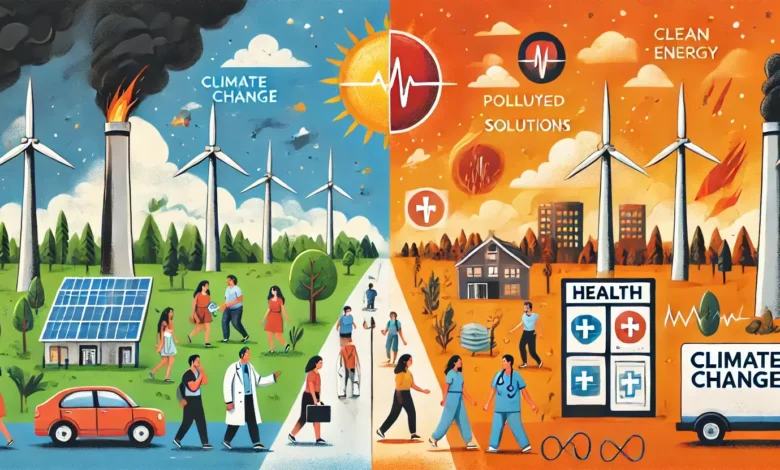
As climate change progresses, the health consequences associated with climate change are becoming too glaring to ignore. The negative health effects range from the direct threat of heat waves and the indirect threat of infectious disease transmission, and the consequences are diverse and multifaceted. To plan for a healthier future, and a future resilient to climate change, it is especially important to understand how to connect the health consequences of climate change.
Contents
Direct health impacts associated with climate change
Heat Illness
In many regions, increased temperatures allow for more intense and more extreme heat waves. Prolonged exposure to extreme heat will result in heat exhaustion and heatstroke, as well as exacerbate underlying cardiovascular and respiratory diseases. Children and older adults are especially vulnerable.
Extreme Weather
Climate change will create more extreme weather events, including more destruction from hurricanes, floods, tornadoes, and fires. These events will lead to physical injuries and death; however, they also create mental health conditions, including post-traumatic stress disorder (PTSD) consequences.
Air Quality and Respiratory Disease
Higher temperatures lead to more ground-level ozone and more air pollution, which include a variety of chronic respiratory illnesses, including asthma, chronic bronchitis, and chronic obstructive pulmonary disease (COPD).
Indirect health impacts associated with climate change
Infectious Disease Transmission
Changing changes in temperature, rainfall, and humidity will affect the habitat of disease-carrying vectors (e.g., mosquitoes and ticks). Pests that transmit diseases like malaria, dengue fever, and Lyme disease have expanded into previously too cold areas.
Food Security and Nutrition
Climate change influences crop yield through drought, flooding, and changes in growing seasons. Reduced agricultural yields equals less food, increasing food prices, and greater risk of nutritional-related issues especially for low income individuals.
Water Quality and Availability
Temperature increases and extreme weather events impede freshwater access. If water quality is compromised, it leads to water related illnesses like cholera and dysentery in regions that lack adequate sanitation technology.
Mental Health Issues
Climate Anxiety and Eco-Anxiety
As more people are becoming aware of the serious deterioration of the environment, more people are anxious or worried about the planet. Climate anxiety can lead to depression, feelings of helplessness, and a decreased quality of life more so among youth.
Displacement and Community Shock
Displacement is due to sea-level rise and desertification as well as extreme weather events. Displacement can lead to breaking-up of networks, feelings of cultural alienation, increased rates of depression, anxiety and substance abuse.
Vulnerable Populations
The groups that will be affected worst by health impacts from climate change include:
- Children
- Elderly
- Low-income groups
- Indigenous peoples
- Populations with some kind of pre-existing health problem.
Often, these groups have less resources to adapt to and recover from not only climate-related health issues.
Health Systems and Climate Change
All health systems across the world are under background pressure to adjust/fix the health impacts of climate change on their systems. Some serious challenges are:
- More patients because of extreme weather events occur
- Emerging infectious diseases are entering new geographical areas
- Infrastructure being ready for adaptation in terms of climate
- Carbon footprint of operations reduced
A greater amount of financing must be invested in health systems that are climate adapted to protect people and be able to provide care to populations.
Adaptation and Mitigation Strategies
Strengthen Public Health Systems
To reduce or prepare to respond to climate related health threats and other health threats related to climate, we need to better our surveillance systems, prepared more effectively for extreme weather, and prepare audits so communities can be more resilient.
Climate-Smart Healthcare
We can ameliorate our impact by sourcing renewable energy sources, increasing energy efficiency and decreasing waste apart of the healthcare process.
Develop engagement and educational outreach
We can educate communities about health impacts of climate change and create mechanisms to encourage resilience building activities.
Outlook for the Future
Unless there are strong processes in place to mitigate climate change, the health impacts will only get worse. Effective reduction in greenhouse gases, use of renewables as part of the energy mix, and sustainable land and water management is crucial. The health and well-being of humanity relies on the world unifying in an effort to reconcile both the processes that produce GHGs and the consequences of a warming planet.
As more individuals, communities and governments acknowledge the connections between climate and health simultaneously, there is optimism of a future in which climate protection and health promotion operate in synergy as opposed to the only clear association which is that they negatively influence each other.