
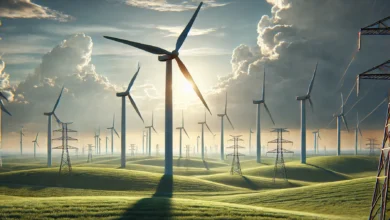
Across open plains and breezy coastlines, wind turbines have become a familiar sight in the American landscape. These towering machines represent more than just a shift in scenery—they’re part of a broader transition toward cleaner, renewable energy. But one question often comes up: how much power does one wind turbine generate? The answer isn’t one-size-fits-all. It depends on a range of factors, including turbine size, wind conditions, and geographic location. Under the right circumstances, a single wind turbine can produce enough electricity to supply hundreds or even thousands of homes. Let’s explore how these systems work and what role they play in the U.S. energy mix.
Contents
- 1 How Do Wind Turbines Work?
- 2 The Impact of Wind Turbine Energy on Your Electricity Bill
- 3 How Many Homes Does a Wind Turbine Power?
- 4 How Much Energy Does a Wind Turbine Produce in One Turn?
- 5 Why Are There So Many Wind Turbines in the U.S.?
- 6 How Much U.S. Electricity Comes from Wind Power?
- 7 How Wind Energy Contributes to Texas’ Renewable Energy Mix
- 8 Real-World Examples of Wind Power in Action
- 9 What’s the Payback Period for a Home Wind Turbine?
How Do Wind Turbines Work?

Wind turbines operate by converting wind’s kinetic energy into usable electricity. When air moves across the blades, it causes them to spin. That motion turns a rotor connected to a generator, which then produces electricity. The generated power is converted from mechanical to electrical energy and is typically fed into the grid through transformers and transmission lines. Most commercial turbines start operating at wind speeds of around 6 to 9 miles per hour and shut down during extreme gusts to avoid damage.
The Impact of Wind Turbine Energy on Your Electricity Bill
The growth of wind energy has had a tangible impact on consumer electricity prices. In regions with high wind penetration, such as Texas, wholesale electricity prices have dropped during peak wind production hours. Here’s how that benefits consumers:
- Lower Costs: Wind has no fuel costs, which helps stabilize electricity rates over time.
- Less Volatility: Renewable sources reduce dependence on fossil fuels, making pricing less vulnerable to market swings.
While wind doesn’t always directly lower your bill, its presence in the energy mix supports long-term affordability and grid resilience.
How Many Homes Does a Wind Turbine Power?
A typical onshore wind turbine rated at 2.5 to 3 megawatts can supply power to roughly 700 to 1,000 homes annually. Larger offshore turbines, especially those above 10 megawatts, are capable of powering upwards of 5,000 homes. Here’s a simplified comparison:
| Turbine Size | Location | Homes Powered (Yearly) |
|---|---|---|
| 2.5 MW | Onshore | 700 – 1,000 |
| 5 MW | Offshore | 2,000 – 3,000 |
| 10+ MW | Offshore Large | 5,000+ |
How Much Energy Does a Wind Turbine Produce in One Turn?
The amount of electricity generated in a single rotation varies. For instance, a large-scale turbine with blades over 100 meters in diameter can generate 1 to 2 kilowatt-hours per turn when wind speeds are optimal. Though one rotation might seem small in output, these turbines rotate thousands of times daily, resulting in a consistent flow of clean energy.
Why Are There So Many Wind Turbines in the U.S.?

The growing presence of wind turbines in the United States is no coincidence. The country is home to vast regions with favorable wind conditions, particularly in the Midwest and Texas. Supportive government policies, including tax credits and renewable energy targets, have also encouraged investment. Additionally, technological improvements and lower installation costs have made wind energy more competitive compared to fossil fuels. As a result, states with open land and steady wind—like Iowa, Oklahoma, and Kansas—have embraced wind power as a cornerstone of their local energy strategies.
How Much U.S. Electricity Comes from Wind Power?

Wind energy contributes a growing share of America’s electricity. As of recent data, it accounts for more than 10% of national electricity generation. In some states, such as Iowa and South Dakota, wind covers over 40% of power demand. The expansion of wind farms continues to play a vital role in reducing carbon emissions and supporting energy independence.
How Wind Energy Contributes to Texas’ Renewable Energy Mix
Texas leads all U.S. states in wind energy production. Thanks to its expansive open land and strong wind patterns, especially in the west and panhandle regions, Texas has invested heavily in wind infrastructure. This commitment has paid off. Wind power now makes up a significant portion of the state’s energy supply. Combined with solar energy, wind is helping Texas move toward a more diverse and resilient electricity grid.
Real-World Examples of Wind Power in Action
Real-world case studies help us understand wind energy’s practical benefits. In rural Iowa, a 2.5 MW wind turbine installed on a local farm generates enough energy to supply over 900 homes annually, while also offsetting more than 1,400 tons of CO₂ emissions. In northern California, homeowners combine smaller wind turbines with solar panels to reduce their reliance on the grid, leading to a 30% drop in yearly energy costs. Meanwhile, a coastal community in Massachusetts uses three large turbines to power municipal buildings and schools, showing how localized projects can offer big returns.
What’s the Payback Period for a Home Wind Turbine?
The return on investment for home wind turbines depends on wind availability, local energy costs, and turbine size. In areas with consistent wind, such as Texas or Oklahoma, small residential turbines (around 5 kW) can pay for themselves in 6 to 10 years. Here’s a breakdown of typical figures:
| Turbine Size | Initial Cost (USD) | Avg Annual Savings | Payback Period |
|---|---|---|---|
| 1–5 kW | $10,000 – $25,000 | $500 – $1,200 | 8 – 12 years |
| 5–10 kW | $25,000 – $45,000 | $1,200 – $2,500 | 7 – 10 years |
| 10+ kW | $45,000+ | $2,500+ | 6 – 9 years |
Incentives, rebates, and tax credits can shorten this period. Additionally, hybrid systems that combine wind with solar often have even better returns, especially in regions with variable weather.
Wind turbines are more than just mechanical structures on the horizon. They represent a powerful step toward a cleaner future. With every rotation, they bring the U.S. closer to energy independence and environmental sustainability. So, it’s no wonder people continue to ask: how much power does one wind turbine generate?
Frequently Asked Questions About Wind Turbines


Hi sir R madam my ESAKKI RAJA I am from Tirunelveli job vacancy