US investing in hydropower infrastructure plays a vital role in America’s clean energy transition, modernizing legacy dams and boosting renewable capacity nationwide. As the United States intensifies its focus on clean energy, investing in hydropower infrastructure has become a central part of the transition. Hydropower, one of the oldest and most established renewable energy sources, is being reevaluated and revitalized with modern innovations and policy backing. From modernizing aging dams to integrating smart-grid technologies, the nation’s investment signals a long-term strategy to decarbonize energy systems while ensuring reliability.
Contents
- 1 Why the US Is Investing in Hydropower Infrastructure in 2025
- 2 People Using Hydropower
- 3 How Is Hydro Better than Geothermal Energy?
- 4 Hydropower vs. Other Renewables
- 5 How US Investments in Hydropower Infrastructure Support the Renewable Grid
- 6 How Is Hydro Better than Solar Energy?
- 7 A Cleaner Grid Starts with Smart Hydropower Investments
Why the US Is Investing in Hydropower Infrastructure in 2025
As climate goals grow more urgent, US investing in hydropower infrastructure has become a strategic priority. In 2025, the federal government is allocating billions in funding to modernize outdated hydroelectric systems, particularly in the Pacific Northwest and Appalachian regions. The goal isn’t just to preserve energy reliability but to enhance it through low-emission, long-term solutions.
Hydropower offers something rare among renewables: stability. Unlike solar or wind, hydroelectric power delivers consistent output regardless of weather or time of day. This makes it a critical piece in stabilizing the renewable energy grid, especially when paired with intermittent sources.
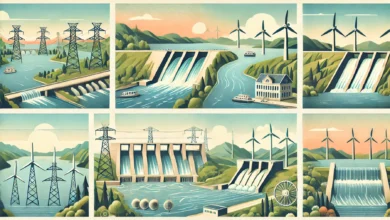
Federal initiatives, such as the Department of Energy’s Hydropower Advancement Program, are now accelerating the modernization of aging dams and turbines. These upgrades include fish-friendly turbines, sediment management systems, and integration with AI-based smart grids. Additionally, small-scale hydropower projects are being incentivized for rural communities where large-scale infrastructure may not be feasible.
The long-term benefits of us investing in hydropower infrastructure go beyond energy. These investments create jobs, protect ecosystems through better environmental designs, and help decarbonize one of the world’s largest power systems. As a result, hydropower is reemerging as a leading solution in America’s transition to clean energy.
Federal Policies Driving Hydropower Investment in the US
Much of the recent momentum behind hydropower infrastructure comes from new federal policies. Initiatives like the Infrastructure Investment and Jobs Act (IIJA) have allocated billions for dam repairs and green retrofits. The Department of Energy is also funding low-impact hydro projects that preserve ecosystems while boosting energy output.
Incentives for small hydropower systems and pumped storage are helping diversify U.S. energy assets. Policy is driving innovation—and the U.S. is responding with modernized, efficient hydro systems that meet both energy and environmental goals.
People Using Hydropower

Across the U.S., millions of people indirectly rely on hydropower for electricity. Major cities such as Seattle, Portland, and New York incorporate hydroelectricity into their power grids. Furthermore, industries that require constant and reliable electricity often benefit from hydropower due to its stability and cost-effectiveness. According to the U.S. Energy Information Administration (EIA), hydropower generated approximately 250 billion kilowatt-hours (kWh) in 2022, serving over 30 million homes.
Is Hydroelectricity Used Least?
While hydropower remains one of the largest sources of renewable electricity globally, in the U.S., it is surpassed by wind and solar in recent years for new installations. However, hydroelectricity still accounts for about 6-7% of total U.S. electricity generation and over 30% of renewable energy production. It is far from being the least used; rather, its growth has plateaued due to geographic limitations and environmental concerns.
What Is a One Pro and Con of Hydroelectric Energy?
One major advantage of hydroelectric energy is its ability to generate consistent, dispatchable power. Unlike solar or wind, hydro can operate 24/7 under stable water flow conditions, making it an excellent source of baseload power. A key disadvantage, however, is its environmental impact, particularly on aquatic ecosystems. Building large dams can displace communities, alter river habitats, and reduce biodiversity.
How Is Coal Different from Hydroelectric Energy?
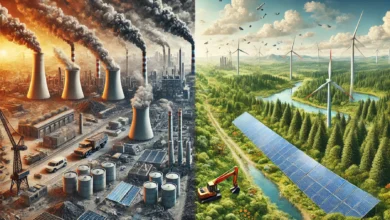
Coal is a fossil fuel that releases significant carbon dioxide when burned, contributing to global warming and air pollution. In contrast, hydroelectric energy produces no direct emissions and is considered renewable. However, while coal plants require constant fuel input, hydro facilities depend on water flow and geography. Despite hydro’s cleaner profile, both can have environmental drawbacks, albeit in different forms.
Where Is Hydropower Being Used Right Now?
Hydropower plants are actively operating in nearly every region of the U.S. The Pacific Northwest, with its abundance of rivers and rainfall, leads in hydroelectric output. States like Washington (which gets over 60% of its electricity from hydro), Oregon, and Idaho rely heavily on hydro. Additionally, smaller-scale hydropower is being developed in the Midwest and Northeast for distributed energy generation.
Where Is Hydroelectric Energy Not Available in the World?
Countries with flat terrains or limited water flow face challenges in developing hydropower infrastructure. Examples include Kuwait, Qatar, and some island nations where elevation and flowing water sources are minimal. In such regions, solar and wind power are more viable alternatives due to their scalability and installation flexibility.
How Do Dams Harm Ecosystems?
Dams alter river ecosystems by changing natural flow patterns, blocking fish migrations, and impacting water quality. These disruptions can cause population declines in native fish species like salmon and affect surrounding habitats such as wetlands. Sediment buildup behind dams can also lead to erosion downstream and loss of nutrient flow.
How Is Hydro Better than Geothermal Energy?

Hydropower generally provides higher capacity and broader scalability compared to geothermal energy. While geothermal is location-dependent and expensive to develop, hydro facilities can serve millions with relatively lower operational costs once established. Moreover, hydro projects tend to have longer operational lifespans, often exceeding 50 years.
Short-Term Safety Issues of Hydroelectric Power
Although considered safe, hydroelectric dams can pose short-term safety risks. Structural failures or sudden water releases can lead to flooding, putting downstream communities at risk. In 2020, the Edenville Dam failure in Michigan highlighted the dangers of aging infrastructure. Regular inspections, proper maintenance, and modernization are essential to ensure dam safety.
How Much Wildlife Has Hydroelectric Energy Killed?
Quantifying exact numbers is complex, but studies show significant wildlife impact, particularly on fish populations like salmon. Turbine passage can injure or kill fish, and habitat alteration contributes to the loss of aquatic life. Mitigation strategies such as fish ladders and improved turbine designs are increasingly being used to reduce this impact.
Hydropower vs. Other Renewables

Compared to solar and wind, hydropower is more predictable and easier to manage in grid systems. It offers flexible generation, allowing grid operators to adjust output quickly. However, it has higher upfront environmental costs and limited site flexibility. Wind and solar, while intermittent, offer wider geographic applicability and faster deployment.
How US Investments in Hydropower Infrastructure Support the Renewable Grid
Expanding renewable capacity isn’t just about wind and solar. US investments in hydropower infrastructure play a key role in building a resilient and responsive energy grid. Because hydropower is dispatchable, it can fill energy gaps when wind or solar output drops. This ensures uninterrupted electricity supply, even during extreme weather events.
Many of the country’s dams are over 50 years old. Upgrading them with modern turbines, sensors, and automation technology helps balance power flow across the national grid. These upgrades also support the integration of decentralized renewable systems.
Hydropower is no longer just a legacy source—it’s becoming a smart tool for stability and sustainability.
How Is Hydro Better than Solar Energy?
Hydropower provides baseload power, meaning it can generate electricity continuously, unlike solar which depends on sunlight. This makes hydro more suitable for meeting constant energy demands, especially in urban centers. Moreover, hydro plants can ramp up generation quickly to respond to grid demands, something solar cannot do without battery support.
Positives of Electricity
Reliable electricity improves quality of life, supports modern industries, and enables technological advancement. When generated from clean sources like hydropower, it also contributes to reducing emissions and combating climate change. Hydropower offers a low-cost, high-efficiency method of energy generation over long periods, helping countries meet carbon neutrality targets.
A Cleaner Grid Starts with Smart Hydropower Investments
Hydropower’s role in the U.S. energy future is significant. With the country investing in hydropower infrastructure, we can expect modern upgrades to aging facilities, innovations in low-impact designs, and better integration with smart grid systems. As technology advances, hydro may continue to evolve as a foundational pillar in the renewable energy landscape. Strategic investment today can lead to cleaner, more stable energy for generations to come.