Ways to Power Your Home with Renewable Energy


The option to switch to renewable energy is no longer just an environmental decision; it is becoming a viable option for a homeowner faced with ever-increasing utility costs. From solar panels to small wind turbines, there are several options for tapping into natural resources to provide renewable energy for your home.
Contents
- 1 Solar Panels for Home Energy
- 2 Small Wind Turbines for Home Energy
- 3 Geothermal Heat Pumps
- 4 Solar Water Heating Systems
- 5 Biomass Heating
- 6 Hydropower for Off-Grid Homes
- 7 Co-mingling Renewable Sources or Hybrid Systems for Efficiencies
- 8 Before You Install a Renewable Energy System
- 9 Renewable Energy and Resale Value
- 10 Frequently Asked Questions (FAQ)
Solar Panels for Home Energy
Installing solar panels represents the most common method for residential renewable energy systems.
- Photovoltaic (PV) panels convert sunlight into electricity.
- The power produced can be captured and used directly, or stored in home batteries.
- In 2025, with federal and state incentives still intact, solar installations remain financially viable.
If as a homeowner you are situated in sunny areas like Arizona or Nevada you can take advantage of maximum output. Would you like to learn more about the basics? You may want to read our article How Do Solar Panels Work.
Typical Solar Panel System Costs in 2025
| System Size | Average Installed Cost (after tax credits) |
|---|---|
| 4 kW | $8,600 – $10,000 |
| 6 kW | $12,000 – $14,500 |
| 8 kW | $16,000 – $18,500 |
| 10 kW | $20,000 – $23,000 |
Small Wind Turbines for Home Energy
If your location has steady winds, small wind turbines provide the same opportunity.
- Rooftops or open land areas are suitable for turbines.
- A residential wind turbine generally produces 400 watts to 12 kilowatts; the output is determined by size and wind conditions.
- In rural settings, small wind energy systems can complement solar systems well.
If you want to see how much one turbine may produce you can take a look at our article How Much Power Does One Wind Turbine Generate.
Geothermal Heat Pumps
Geothermal systems utilize the natural and stable temperature of the earth to provide heating and cooling efficiency.
- Geothermal pumps capture excess heat from below ground, and transfer it into your home during the winter months.
- In the summer, they transfer heat back into the ground from your home.
- These systems are more expensive to install and can save you 70% overall on your heating and cooling costs in time.
Geothermal works silently and invisibly, making them ideal for homeowners who want an invisible solution.
Solar Water Heating Systems
A solar thermal system heats your water using the sun, instead of electricity or gas.
- The panels collect the thermal energy and transfers it to your storage tank water.
- Great for domestic hot water, and can even be used to heat pools.
- Simple systems can save you 50%–80% per year on your water heating bills.
Solar water heating is often overlooked in favour of electricity production, it offers a very good return on investment.
Biomass Heating
Biomass systems use organic material like wood pellets, chips, or agricultural waste to generate heat.
- Modern biomass boilers are highly efficient at replacing synthetic heating systems.
- Biomass is carbon-neutral because the CO₂ that is released from burning is offset by the CO₂ absorbed when the plants grow.
Biomass remains a solid option for rural homeowners that have access to natural fuel sources, although it is not common in urban areas.
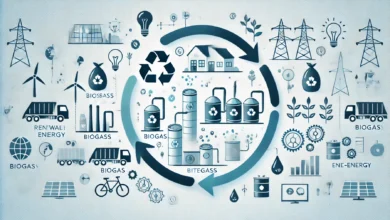
You can dive deeper into this topic at What is Biomass Energy.
Hydropower for Off-Grid Homes
If there is flowing water near your home, micro-hydropower systems could provide renewable energy consistently. Systems rely on the movement of water to turn a turbine and create energy.
- Hydropower can function 24/7, provided the water source is reliable.
- Small systems can produce from 5 kilowatts to 100 kilowatts – enough to power an average home.
Hydropower is less common than some other options, but arguably one of the most reliable renewable sources of energy for rural, off-grid properties.
Co-mingling Renewable Sources or Hybrid Systems for Efficiencies
Many more and more homeowners are co-mingling renewable sources to create hybrid energy systems.
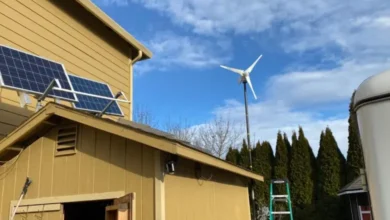
- Solar + battery + small wind turbine.
- Solar thermal + geothermal heating.
- Off-grid solar with diesel back up in case of emergencies.
Creating a hybrid system may provide more resiliency against weather-variable conditions, and may no longer require an additional off-site energy source during times of the year when energy is required.
Before You Install a Renewable Energy System
When considering a renewable energy system, homeowners should consider:
- The local climate and conditions.
- The amount of space for panels, turbines or systems.
- The installation cost and ongoing costs vs. future overall savings.
- What incentives, rebates, net metering programs are available in your state.
- What the maintenance requirements are and expected lifespan of the system.
An energy audit may also help you identify which systems should be combined for the best return on your investment on your home.
Renewable Energy and Resale Value
Interestingly, installing renewable energy systems doesn’t just help the environment, it might also increase the value of your house.
- Some studies show that homes with solar panels sell at a 4%–6% premium to houses without solar panels that were similar.
- Energy efficiency upgrades attract environmentally conscious buyers.
As energy prices continue to rise, having installations will provide an additional selling advantage.
Frequently Asked Questions (FAQ)
How much will home renewable energy systems save?
Savings will vary but typically, a solar panel system could replace electric bills by $600 to $2,000 annually depending on the size and location of the system.
Can a home run completely on renewables?
Yes, in most states. With correct sizing and storage it is possible to run completely on renewable sources of energy, especially when using solar, wind, and battery storage.
What renewable energy system works best in cold climates?
Geothermal systems work very well in cold climates as the temperature below ground remains relatively constant through the year.
Do solar panels work on cloudy days?
Solar panels definitely work in cloudy conditions, typically 10%–25% of the rated capacity, depending on the intensity of sun.
Are there any government incentives to install renewable systems?
Yes, starting in 2025, homeowners can claim a 30% tax credit using the federal Investment Tax Credit (ITC) program. Many states also have rebates to incentivize renewable installations.